
History
The beginning of elijah
Content
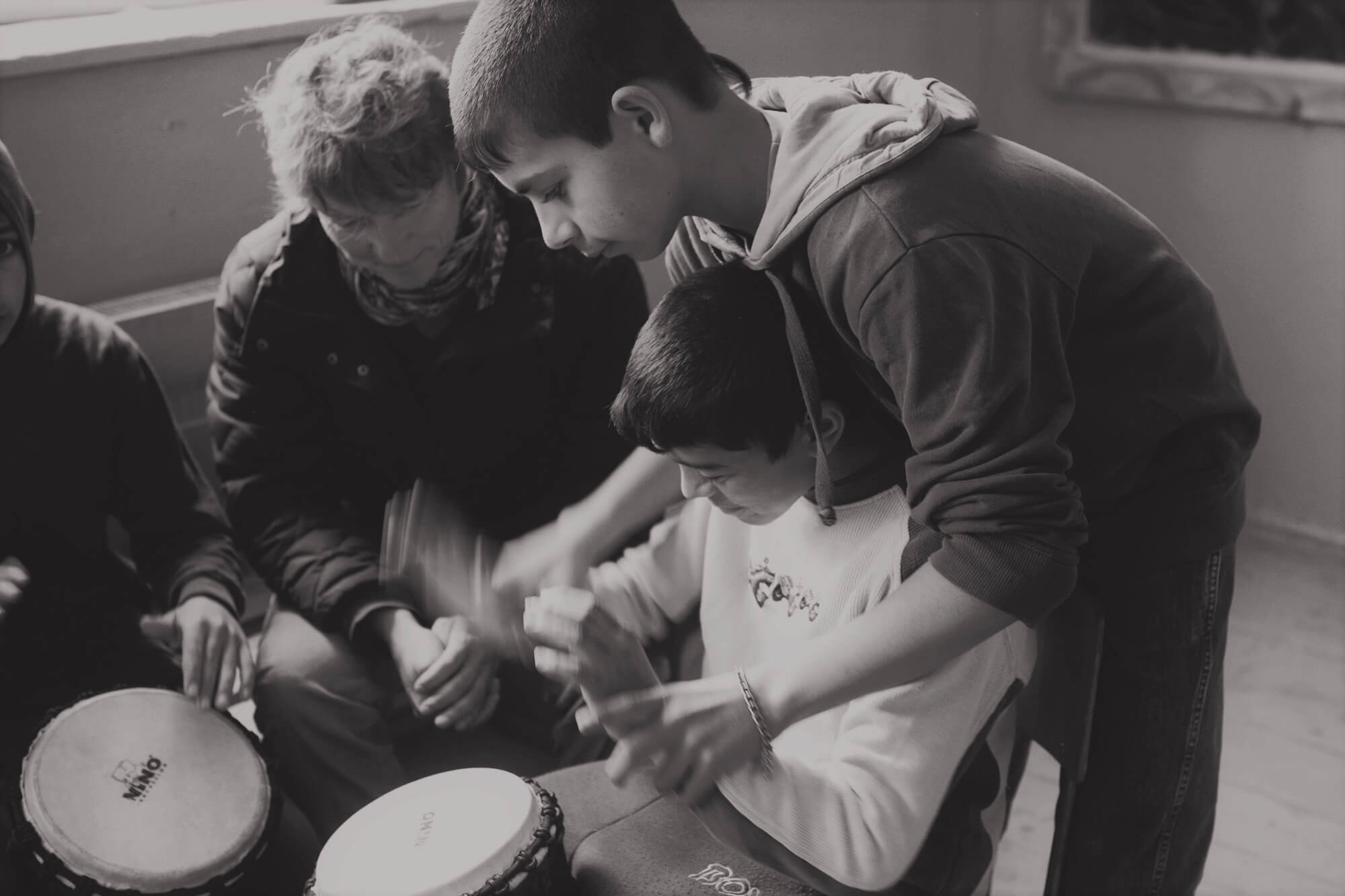
In the winter of 2011/2012, Ruth Zenkert travelled to Transylvania. It all began in the village of Nou with drum lessons for Roma children. The children, who eagerly participated, took Ruth to their families on the outskirts of the village. Many of them lived in draughty huts without water or electricity, struggling to survive with countless children. Food, clothing, warmth, school, work – they lacked everything. Ruth Zenkert and Father Georg Sporschill SJ gained the trust of the families and offered help. After more than 10 years of ELIJAH, children are thriving, families have an income and young people have an education that takes them to the city of Sibiu.
Today, we are active in six locations, carry out family assistance, operate Social Centres, music schools, vocational training, a student’s hostel in town and a children’s home.
INCREDIBLE HOSPITALITY
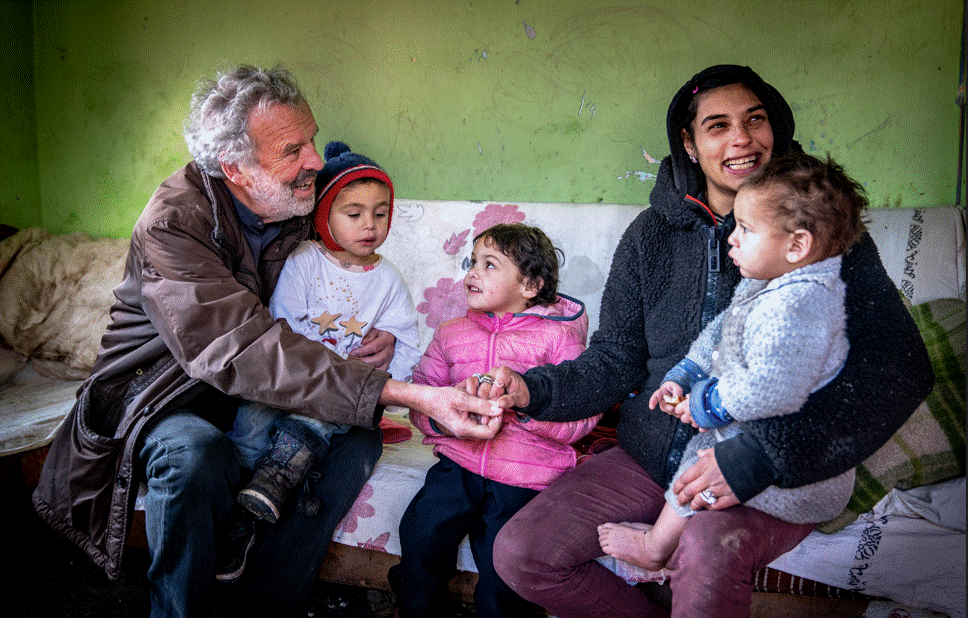
Father Georg Sporschill SJ recalls the early days: “We wanted to get to the root of the problem, to where the need comes from. We named our new project ELIJAH. The prophet Elijah brought the dead child of a poor widow back to life. However, he asked something of the widow in return. She was to bake bread for him with the last of the flour and oil she had in her pot. Elijah showed the widow that she was not a poor recipient, but a hostess. Even today, I am amazed when I visit the huts of Roma families. How many children and relatives live there in a single room! Loud music, children playing, cola and schnapps on the table. Incredible hospitality. A colourful tapestry with a motif of the Last Supper or the Good Shepherd adorns the wall of the hut and covers the holes. Jesus is at home here; he welcomes me into poverty with joy.
THE DRUM STARTED IT ALL
At the very beginning, Ruth Zenkert went to the public school in the village of Nou every day to give drum lessons. One of the first children Ruth taught was Catalin. With ELIJAH, he was able to develop his talents and finish school in the city of Sibiu. Later, he went to Germany to work, even though he was in love with Laura, who lived on the same street. He knew Laura from the ELIJAH dance group. When he returned, Catalin and Laura became a couple, and when they heard that ELIJAH was having a housing quarter “Cartier Caroline” in the village of Nou, they registered. They were given a house. Catalin worked in construction. The older children come to the social centre. Parents know from their own experience how important education is.
PRAYING TOGETHER
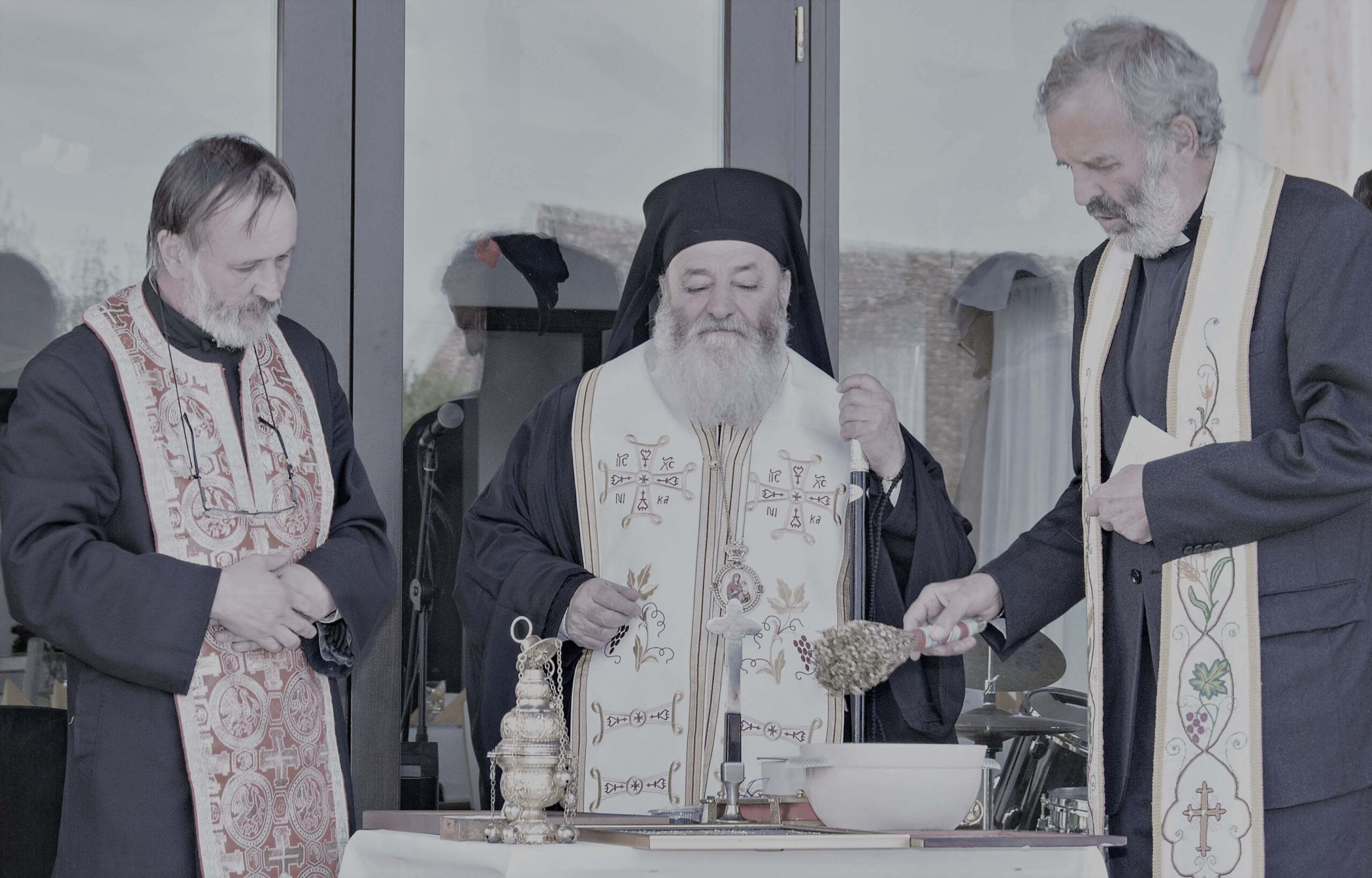
Father Georg Sporschill SJ recalls: “When ELIJAH settled in Hosman in 2012, the Orthodox priest feared new competition. Freedom and brotherly respect for one another overcame mistrust and fears. The Orthodox priest has become a friend and often comes to our house to pray, eat and sing.
My duties are unusual for a Catholic priest, as there are no Catholics in our parish. Our association took over the small Catholic church in the village and turned it from a ruin into a social centre. On feast days, we celebrate Mass. More often, however, the renovated church serves as a dining hall and canteen. The adjoining rectory has been converted into a nursery school, and the former school houses a medical practise and a dentist. In this way, even without Catholics, the Catholic Church has found a response to the new hardship and has regained popularity.
NOT PREPARED FOR IT
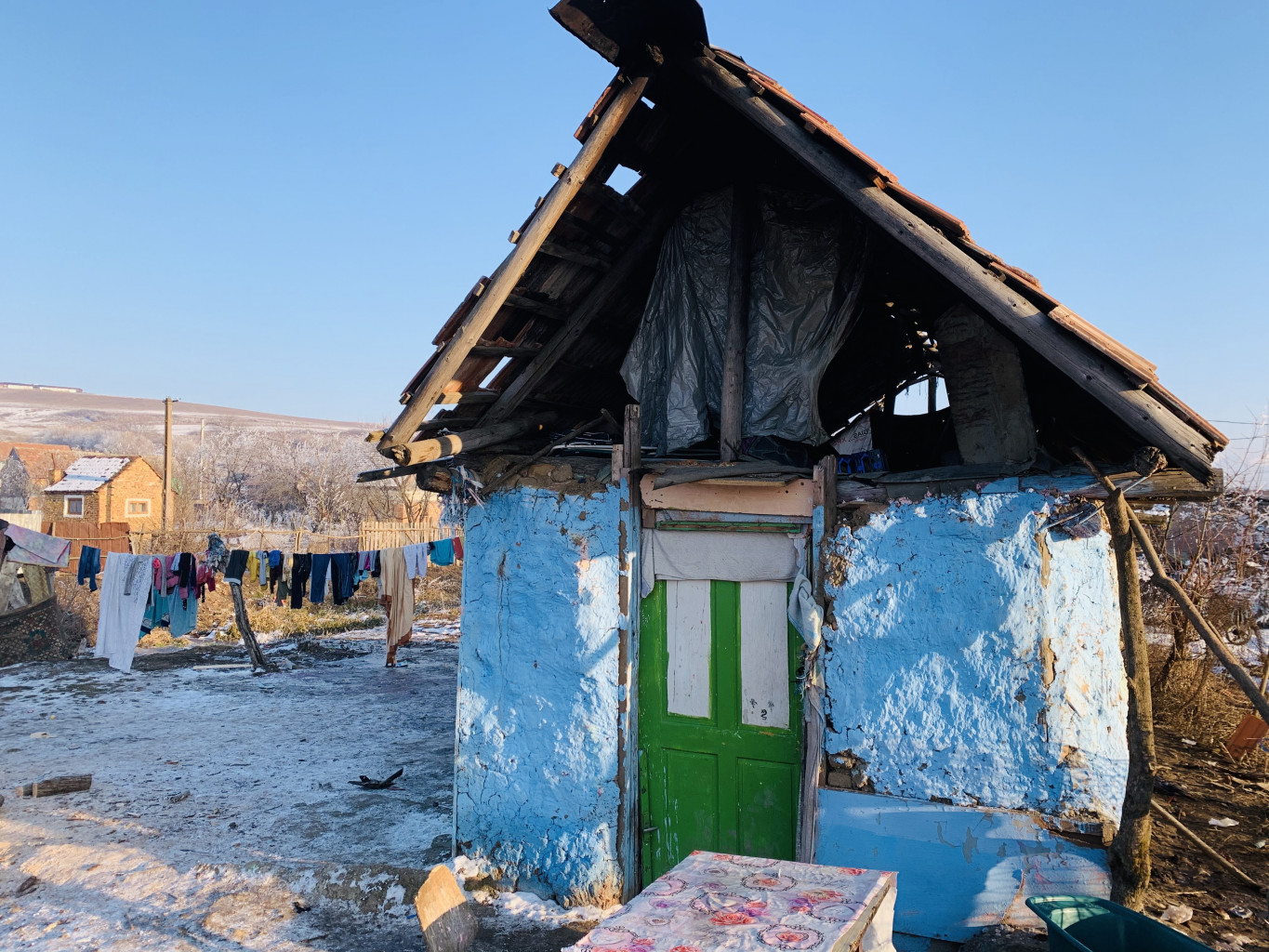
Antoaneta Ghișoiu is the operational manager of ELIJAH. She recalls the early days: “When I started at ELIJAH, I was very frightened at first. I had previously worked for a large bank and would never have thought that such poverty existed just 10 kilometres from the city of Sibiu. In January 2012, I started working in the village of Nou, on the streets from day one. Winter, cold, extreme poverty, naked children in rooms without heating, without food. There were no clothes, no beds. I was completely unprepared for this. ELIJAH not only founded communities, it also educated people.
After ten years, most of the Roma children have become responsible adults, some of them have families. They now bring their children to the social centre.”
A VILLAGE BLOOMS
Ruth Zenkert recalls the early days in Nou:
“The vicarage had been empty for years. Anghel, a Roma from the village, had the key, and Horst, one of the last Saxons, didn’t care about the house. We urgently needed accommodation for men and women. Anghel helped us to fix up the house. We were delighted with the good cooperation when the whole house was finally cleared, cleaned and heated. But when we wanted to move in, the garden gate was closed and locked with an iron chain. We sent a villager to Anghel. Of all people, he sent us a message: “No gypsies in the Saxon vicarage!”
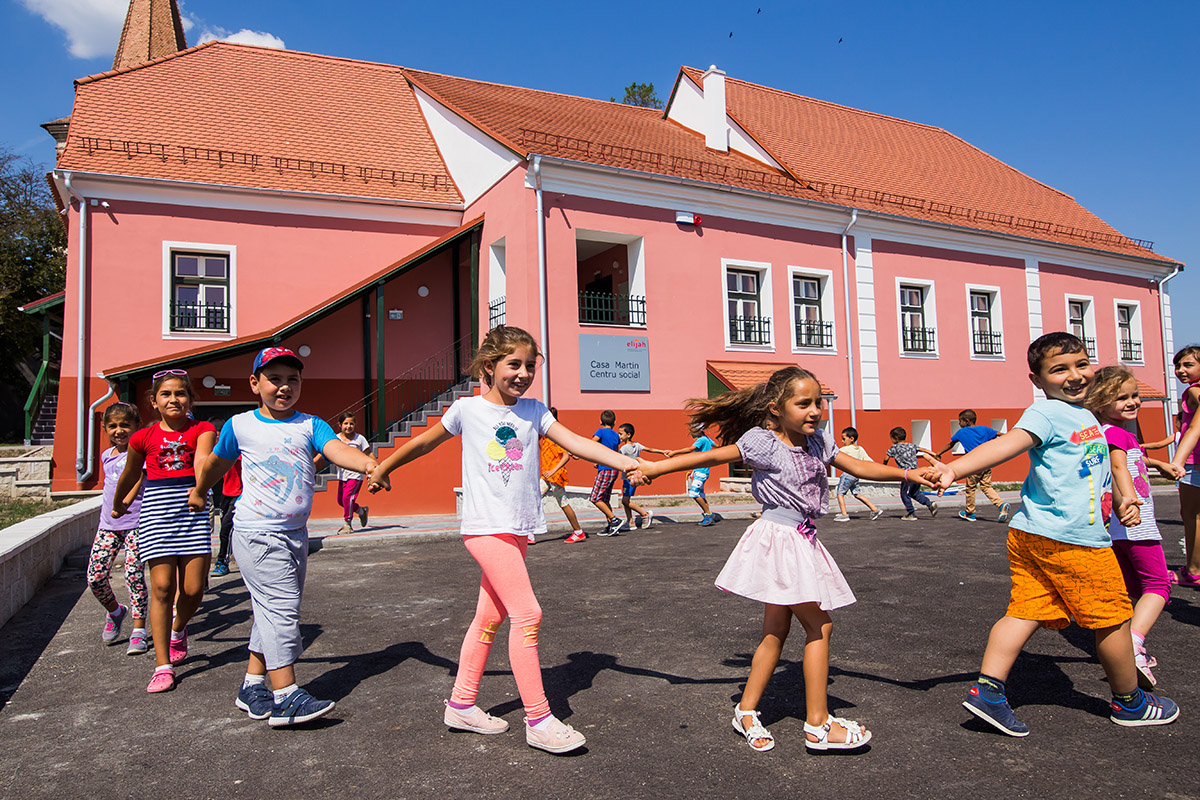
The old vicarage has since been renovated and, since 2019, has been the new social centre ‘Casa Martin’ in Nou.
LEFT ALONE
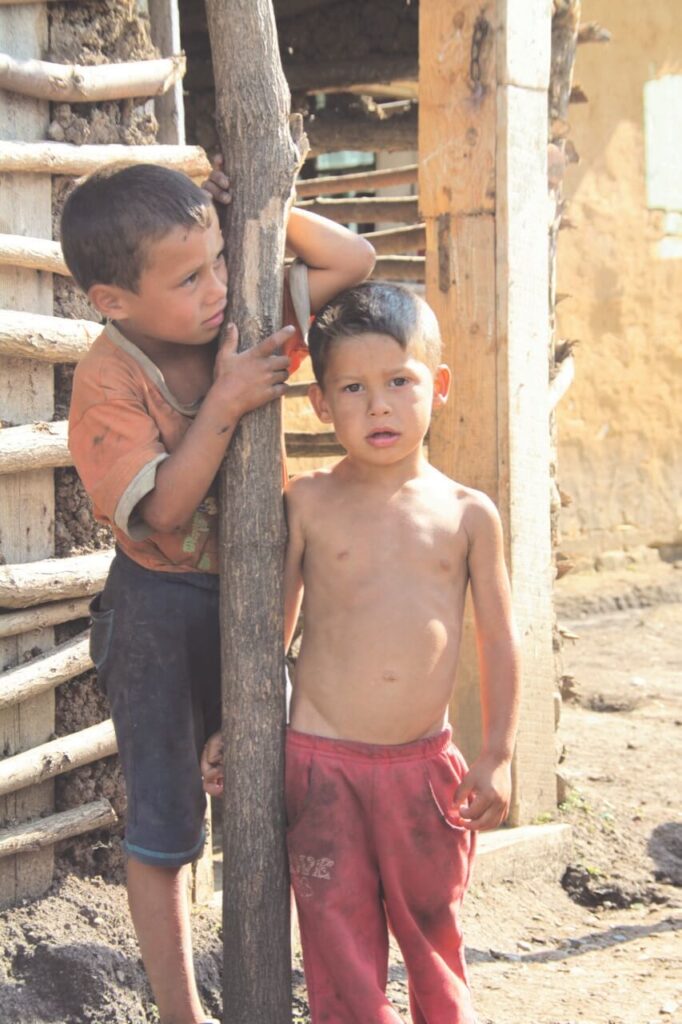
In 2012, the Popita family was one of the first families in Nou. A young mother with four children lived in a dilapidated hut. Every day, an ELIJAH employee visited them and took the children to the social centre. They learned to read and write.
In 2013, their father went to Germany to work. Their mother stayed behind with the children. Then she also left the children to be with another man. During the day, the children went to the social centre, and at night Antonio, the eldest, kept watch. It took a week for child protection services to arrive and take the children away. ELIJAH often visited the children at the child protection centre in Orlat. Antonio is now in 8th grade. The other brothers are doing well and are in school. Their mother has never visited them again.
ESCAPING POVERTY
Christina Hent comes from Țichindeal, one of the poorest villages in Transylvania. We met her in the early days of ELIJAH. She was still a young girl, married at 16 and pregnant with her first child at 17. She had no prospects for the future and struggled daily to survive.
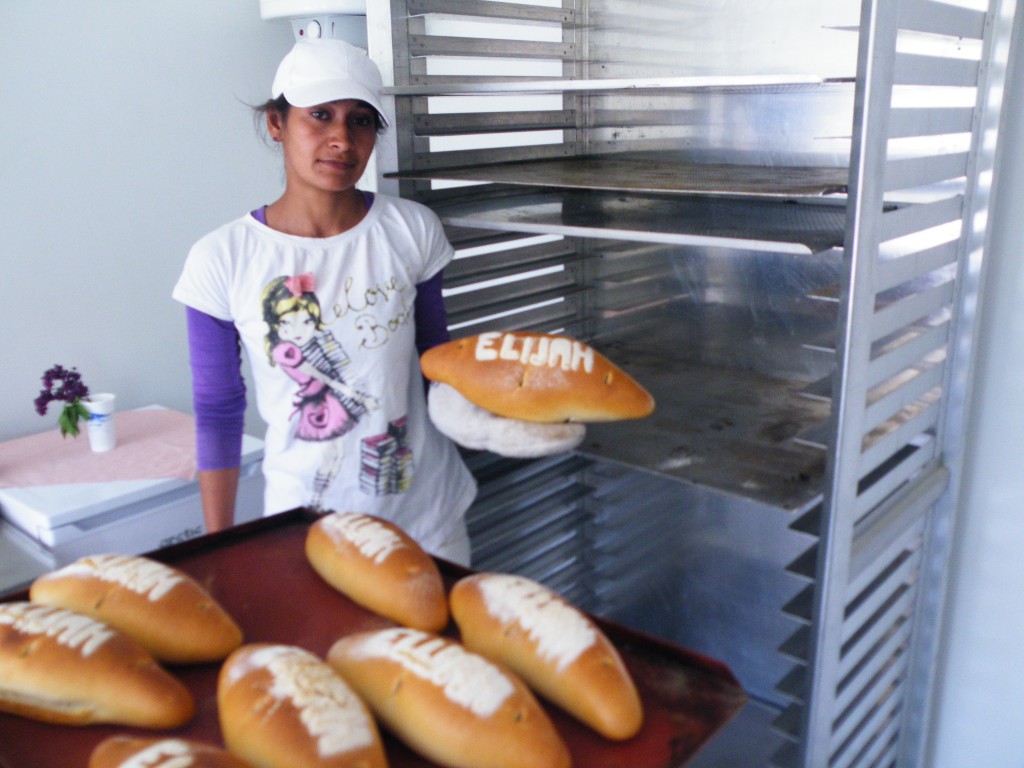
She got her first job at ELIJAH at the Habakuk Social Centre. She washed the children and the laundry. She was curious and hard-working. In our bakery, she learned how to bake bread and fed so many children in our social centres. She now has four children and continues to be a dedicated employee of ELIJAH at “Stella Matutina”. She has moved with her family into a stone house (a “Casa de piatra“). The family takes very good care of the house and pays the running costs on time. The eldest daughter is in Year 4 and stays in our student residence “Casa Francisc” during the week. The man works for a construction company in Sibiu. Christina has surpassed herself: her diligence and willingness to learn have taken her far.
SOLIDARITY
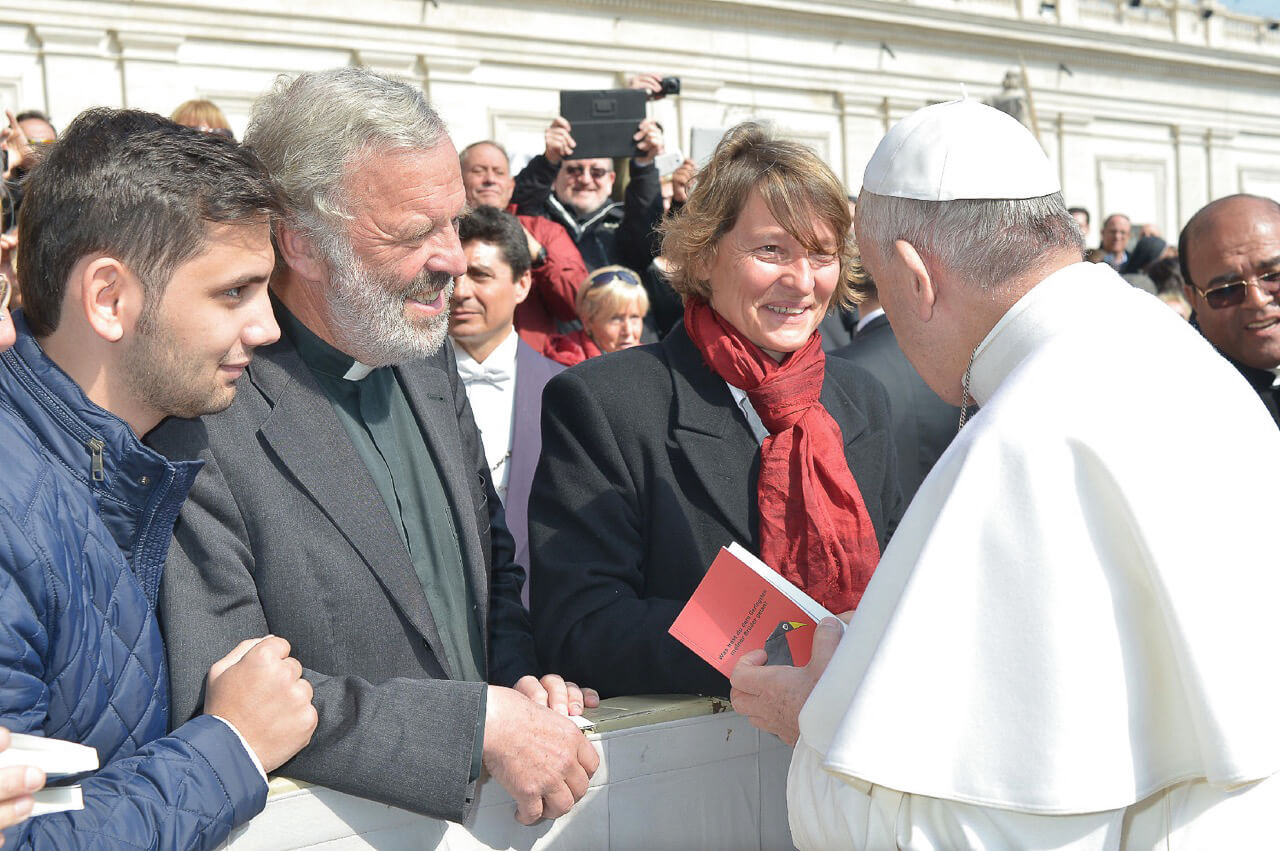
In March 2015, Ruth Zenkert and Father Georg Sporschill SJ were received by the Pope. ‘The vulnerable and marginalised are particularly prone to exploitation, forced into begging or becoming victims of abuse. We are called to show our closeness and solidarity to the weakest and most marginalised.’ An appeal from the Pope, who also visited the Roma in Romania.
The ELIJAH student hostel “Casa Francisc” is named after the Pope in Sibiu. Young pupils and students who want to continue their education come from the villages. Through hard work and ambition, they have made it to secondary school from their families’ huts. Thirty-five pupils aged between 14 and 21 live in the boarding school.