Family Assistance
Building trust
Content
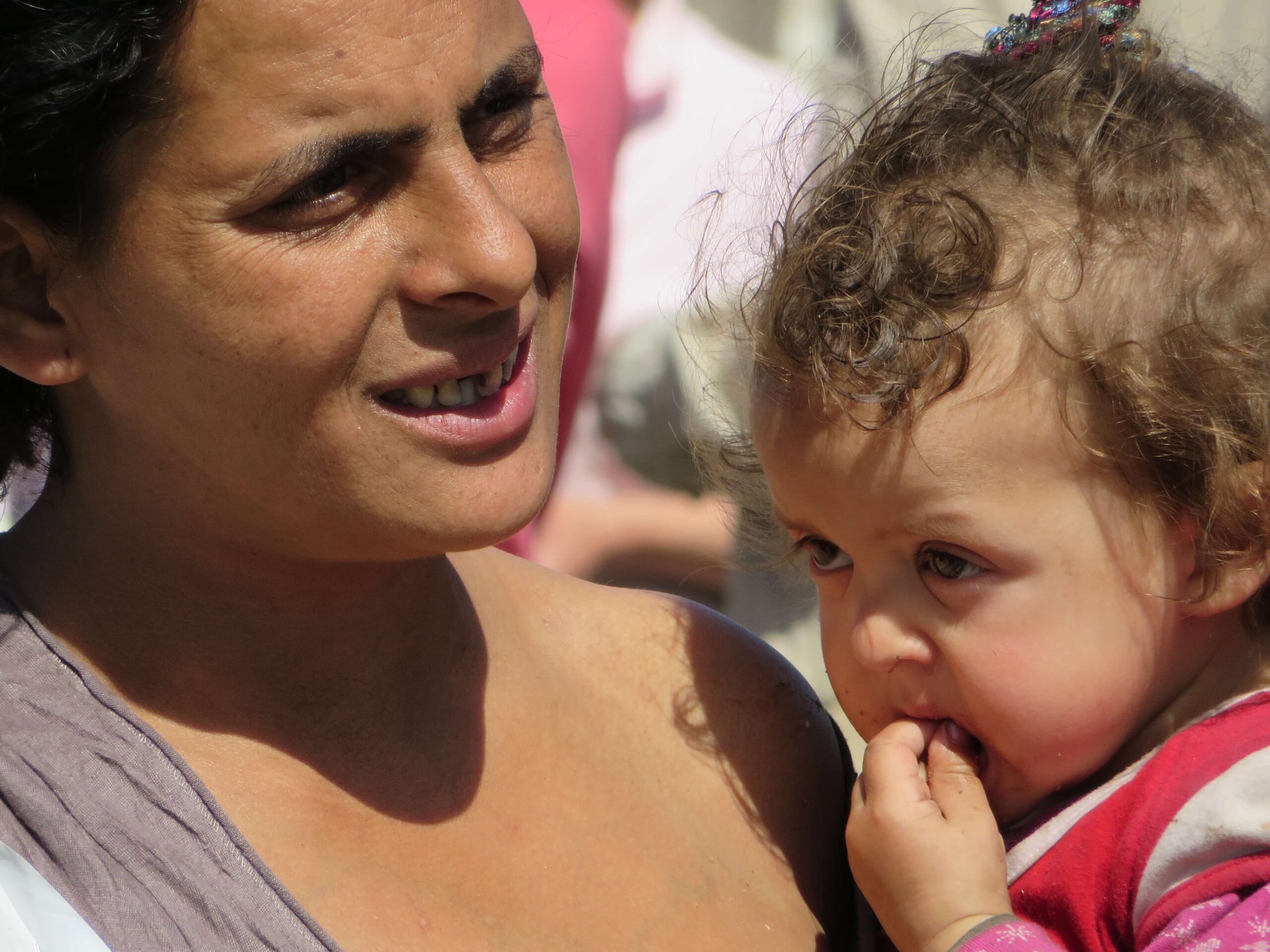
Every day, social workers from ELIJAH visit families in need in their huts. They talk to them about their problems and needs, and bring them the essentials for survival. They support the families in dealing with the authorities and obtaining important documents. They pick up the children from home in the morning and take them to school.
A child protection team empowers young people and teaches them how to defend themselves against violence and abuse, as well as how to stand up for others. If problems arise, the staff provide assistance and notify child protection services.
HEALTH
Medical care for the poorest
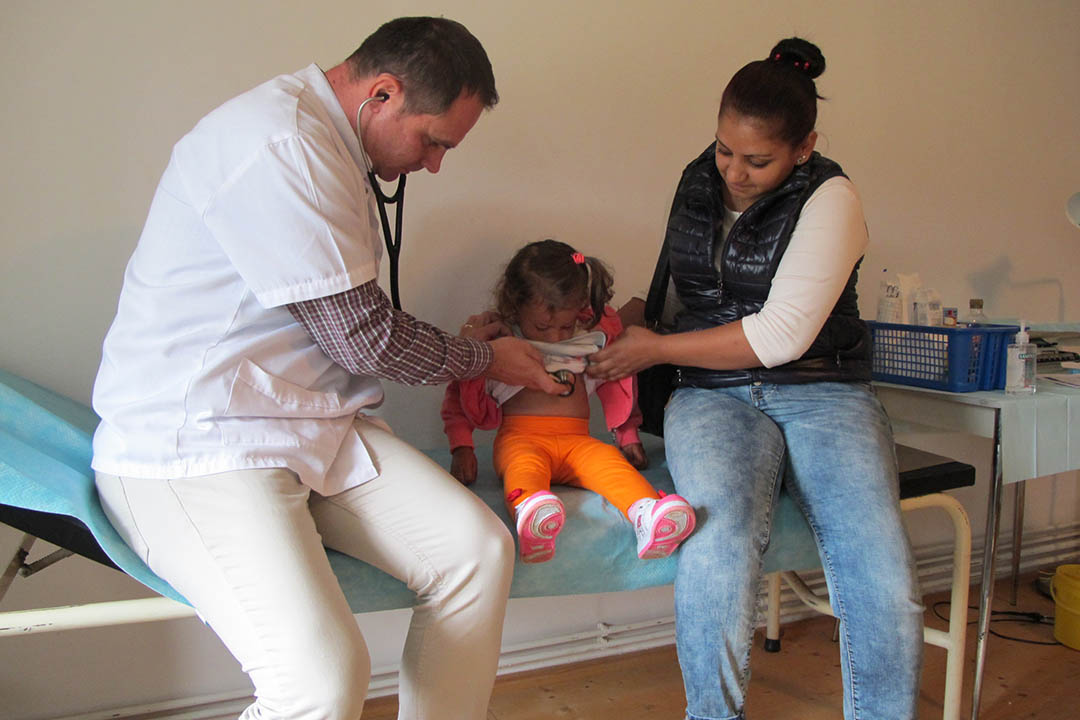
Because many villagers are unable to travel to the city, a general practitioner visits our ELIJAH practice in Casa Nova. He visits seriously ill patients at home. His small pharmacy provides everyone with medication. Those who cannot afford it receive medicine free of charge. Donated bandages are often urgently needed.
A dentist also treats the families, for many of them for the first time. In our social centres, every child has a toothbrush and brushes their teeth twice a day.
At Casa Martin in Nou, children are also looked after by a speech therapist to support their development.
BUILDING HOMES
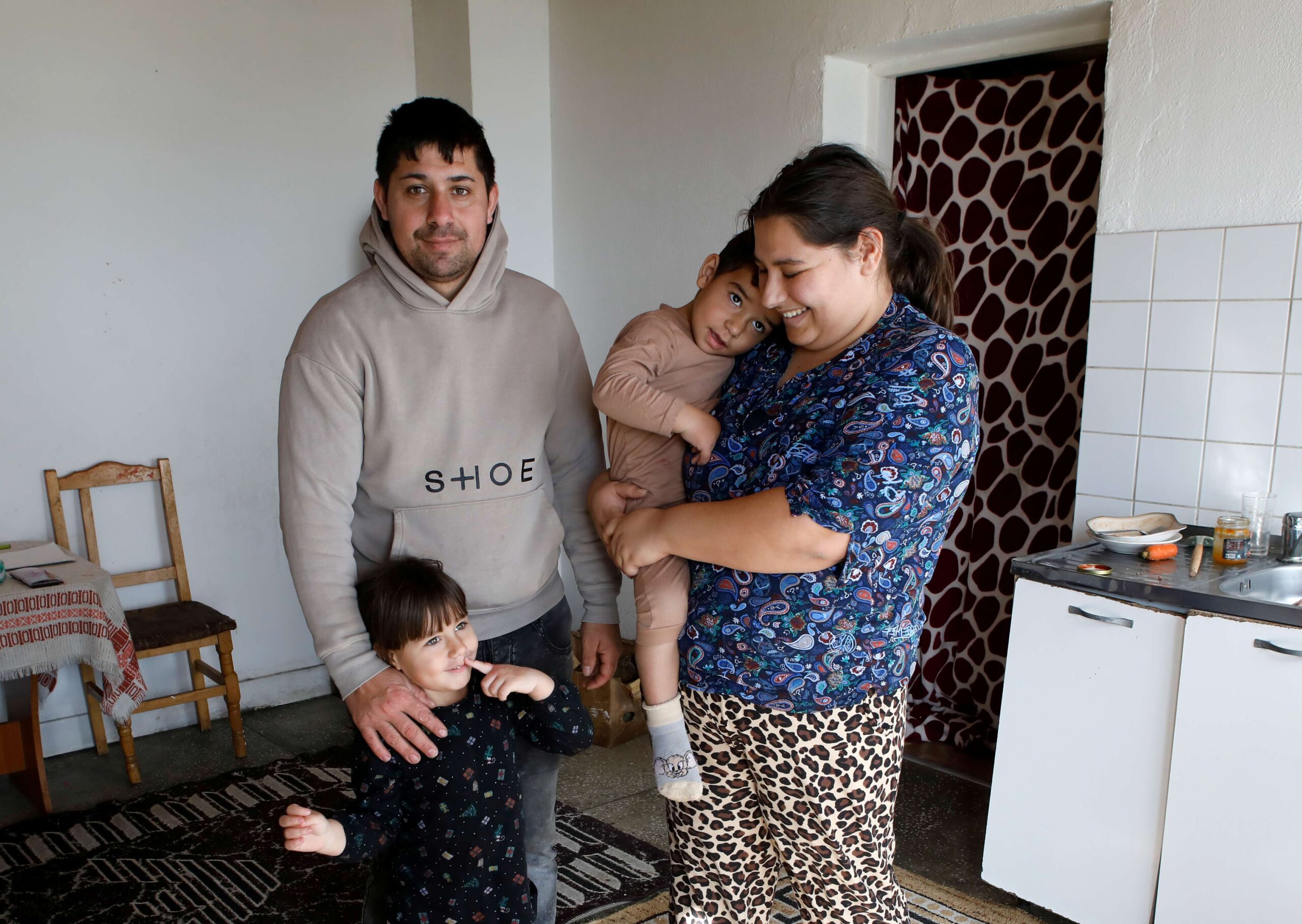
Many Roma families lived in tiny, miserable huts made of mud, boards and various found objects, crammed together on the outskirts of villages. Ten people had to share a single room. The icy winter months are particularly harsh in Transylvania. The rain often caused the mud walls to collapse, and the roofs leaked. There was no furniture, only worn-out sofas and old stoves, which were also used to prepare food. It was impossible to keep the place tidy, and there were no washing facilities.
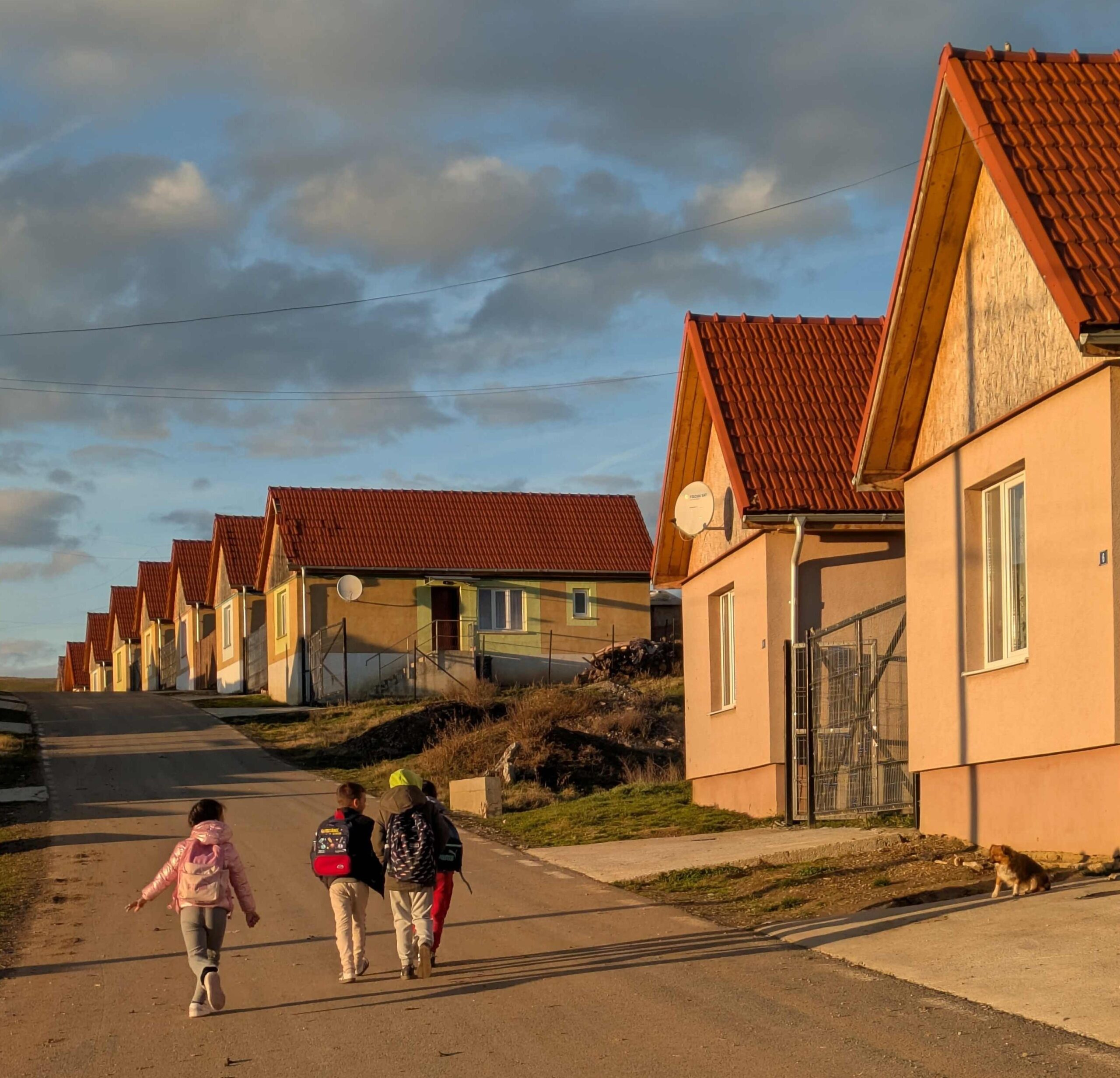
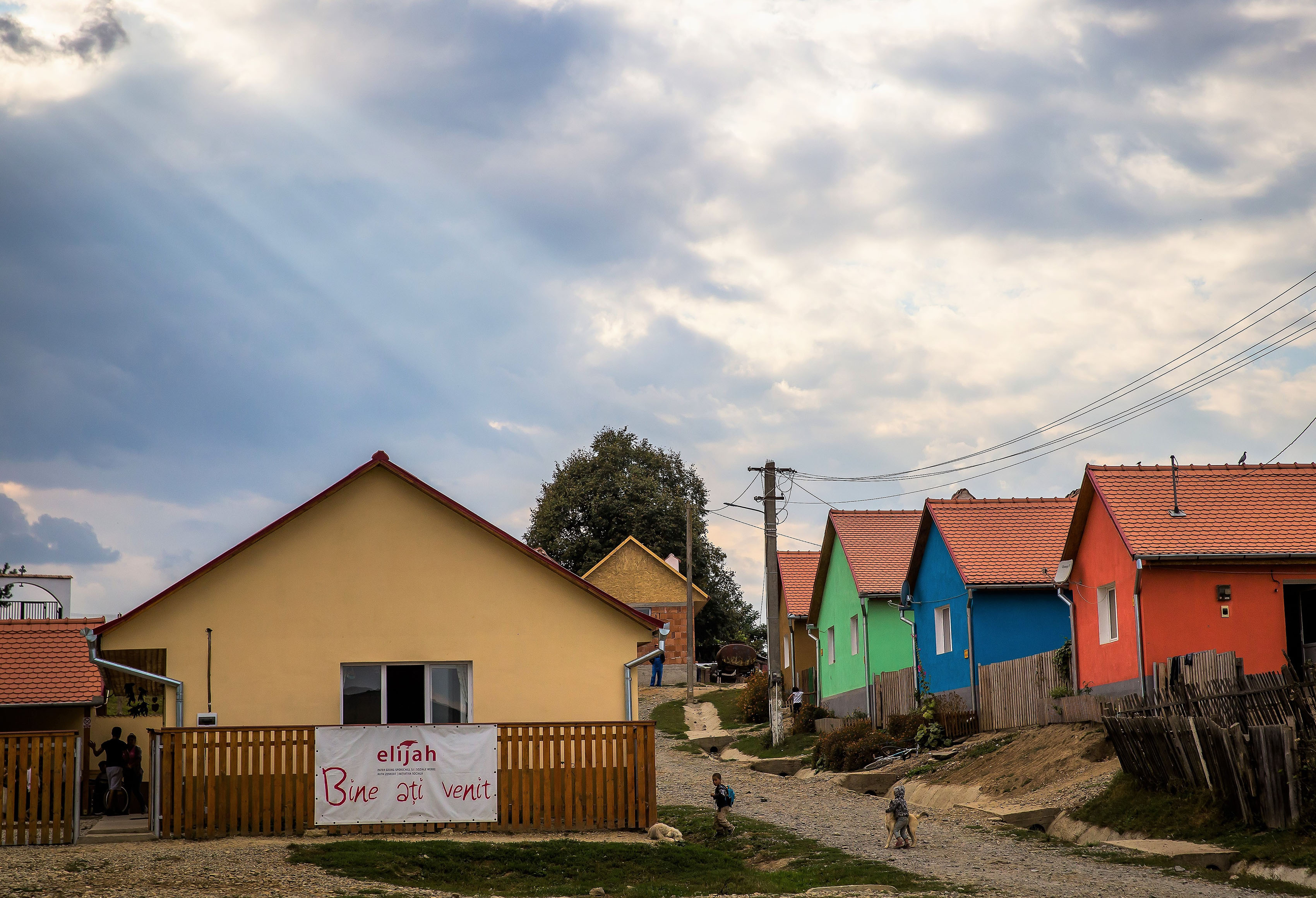
With the Casa de piatra campaign, we support families in building new houses. ‘Casa de piatra’ translates as ‘a house made of stone’. This is a traditional wish for a young married couple. It signifies family cohesion and a secure home. Since the project began, over 160 houses have been built in Nou, Nocrich, Hosman, Tichindeal and Marpod. The municipality often provides the land and installs water, sewage and electricity. The houses offer sufficient space. There is a kitchen-diner, two bedrooms and a bathroom with shower and toilet.
The condition is that the children go to school and one of the parents works, because personal responsibility is important to ELIJAH. Only in this way can the families provide for themselves and cover their running costs.
Cartier Caroline
In Nou, we built a residential area with eleven houses. They nestle beautifully along the edge of the path above the village. The families have moved up from the misery of the huts down by the stream.
Cartier Marghita
Our Cartier Marghita was built on the site of a neglected Roma settlement at the entrance to the municipality of Nocrich. Next to it stands the Casa Susanna social centre, which is the heart of the residential area.

WOMEN EMPOWERMENT
ELIJAH is particularly committed to helping women. A ‘Clubul Mamelor’ has been set up in every social centre. This mothers’ club is a contact point for women in the village. They discuss their concerns and receive advice and training on everything from baby care to responsible parenting. Literacy courses are important for mothers who never attended school. The exchange of ideas and the knowledge that they are not alone empower these oppressed women.
Since winter 2024, the first women with children have found refuge at Casa Nora. We offer emergency accommodation, protection and counselling at Casa Nora.